

If you’ve ever wondered why some paintings feel like they’re telling your own story, you’re about to discover the magic of Norman Rockwell. His work isn’t hanging in distant, untouchable museums alone it’s in textbooks, classrooms, and even album covers. Understanding Rockwell means understanding how art can capture emotions, history, and the human experience in ways that words sometimes can’t.
Whether you’re studying art history, working on a school project, or simply curious about why certain paintings become iconic, this guide will walk you through everything you need to know about Norman Rockwell and his unforgettable artworks.
Who Was Norman Rockwell?
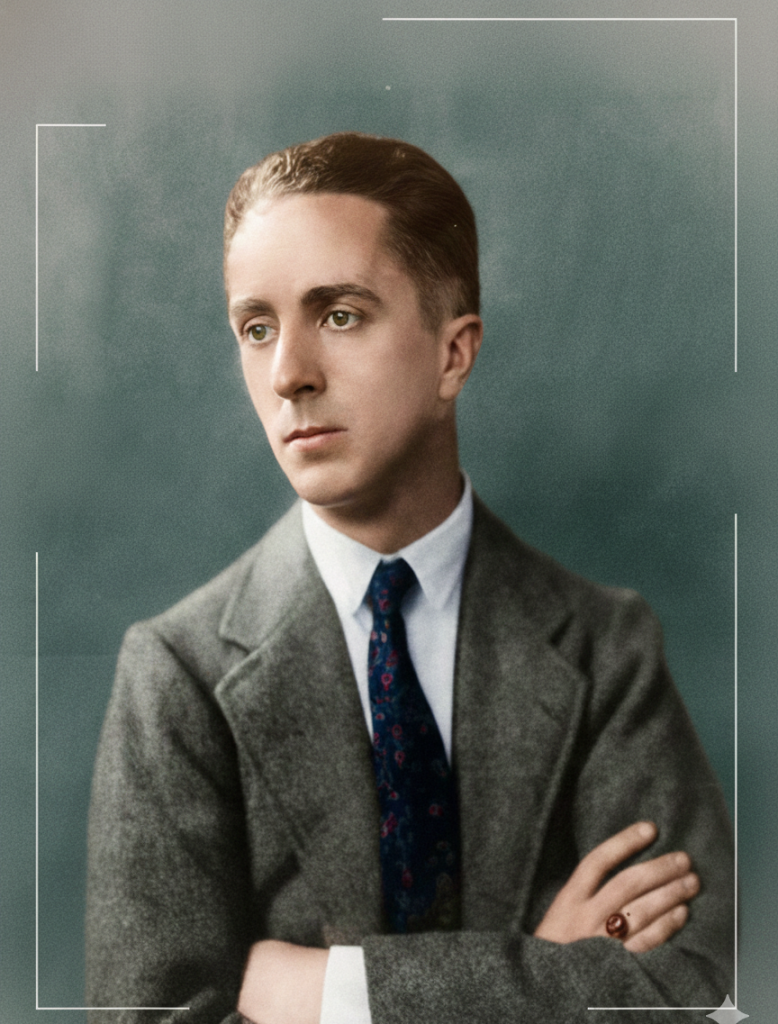
Norman Percival Rockwell was born on February 3, 1894, in New York City. He became one of America’s most beloved illustrators and painters, creating over 4,000 original works during his lifetime.
Early Life and Education
Rockwell knew he wanted to be an artist from childhood. At age 14, he enrolled in art classes at the New School of Art. Later, he studied at the National Academy of Design and the Art Students League.
By age 22, Rockwell became the art editor of Boys’ Life magazine. Just a few years later, he created his first cover for The Saturday Evening Post a relationship that would define his career.
Career Highlights
Important Milestones:
- Created 321 covers for The Saturday Evening Post (1916-1963)
- Illustrated over 40 books
- Painted portraits of presidents and celebrities
- Created the famous “Four Freedoms” series during World War II
- Worked until his death in 1978 at age 84
Rockwell didn’t just paint pictures. He painted stories. Each artwork captured a moment that felt both specific and universal—a scraped knee, a first date, a grandmother’s hug.
Why Is Norman Rockwell So Famous?
Think about your favorite photograph from a family vacation or school event. It probably captures more than just people standing together—it captures a feeling, a memory, a story.
That’s exactly what Norman Rockwell did with paint and canvas.
He Painted Everyday American Life
Rockwell specialized in scenes everyone could relate to:
- Children at the dentist
- Families celebrating holidays
- Young people experiencing firsts (first day of school, first date)
- Small-town moments that felt big and meaningful
Master of Emotional Storytelling
His paintings made people feel something immediately. You didn’t need an art degree to understand his work. A single glance told you the whole story.
Example: In “The Runaway” (1958), a young boy sits at a diner counter with a police officer. Without a single word, you understand the entire narrative—the boy ran away from home, the kind officer is helping him, and he’ll probably go back home safely.
Perfect Technical Skill
Rockwell’s attention to detail was extraordinary. He would:
- Take hundreds of photographs as references
- Hire models from his community
- Study every wrinkle in clothing, every expression
- Ensure historical accuracy in props and settings
Cultural Documentation
His paintings became visual records of American history, capturing:
- The Great Depression
- World War II home front
- Civil Rights movement
- Changing social values
- Everyday life across decades
Most Famous Norman Rockwell Paintings
Freedom from Want (1943)
This Thanksgiving masterpiece shows a grandmother serving a turkey to her family. It’s part of the “Four Freedoms” series inspired by President Franklin D. Roosevelt’s speech.
Why It’s Famous: It represents the American ideal of abundance and family togetherness. Many families recognize their own Thanksgiving dinners in this scene.
The Problem We All Live With (1964)
Ruby Bridges, a six-year-old Black girl, walks to school escorted by federal marshals. The wall behind her is marked with a thrown tomato and a racial slur.
Why It’s Important: This painting marked Rockwell’s shift to social commentary. It powerfully depicts the courage required during school desegregation.
Triple Self-Portrait (1960)
Rockwell painted himself painting himself in a mirror, with small reproductions of famous self-portraits pinned to his canvas.
Why Students Love It: It’s playful, clever, and shows Rockwell’s sense of humor while demonstrating the artistic process.
The Runaway (1958)
A young boy sits on a diner stool next to a friendly police officer while the concerned counter man looks on.
Emotional Impact: Every detail tells the story the boy’s small suitcase, his too-big cap, the officer’s kind expression.
Saying Grace (1951)
An elderly woman and young boy bow their heads in prayer at a crowded railway station restaurant while others watch.
Universal Theme: Quiet faith in a busy, noisy world resonates across cultures and religions.
Other Notable Works
- “Breaking Home Ties” (1954) – Father and son at train station
- “Girl at Mirror” (1954) – Young girl comparing herself to a magazine
- “The Golden Rule” (1961) – People of all cultures and religions
- “Rosie the Riveter” (1943) – Symbol of women’s wartime contribution
Norman Rockwell Museum: Where Art Comes Alive
Located in Stockbridge, Massachusetts, the Norman Rockwell Museum houses the world’s largest collection of original Rockwell art.
What You’ll Find There
Permanent Collection:
- Over 900 original paintings and drawings
- Rockwell’s actual studio, relocated to the museum grounds
- Archives with photographs, letters, and sketches
- Interactive exhibits explaining his creative process
Educational Programs:
- Student workshops
- Teacher resources
- Virtual tours for remote learning
- Special exhibitions throughout the year
Planning a Visit (For Students)
Best Features for Learners:
- Audio guides explaining each major work
- Hands-on activities in the education center
- Opportunity to see how Rockwell worked from photograph to finished painting
- Special student admission rates
Virtual Resources:
- Online collection database
- Digital exhibitions
- Educational videos
- Downloadable lesson plans for projects
Norman Rockwell’s Artistic Style and Techniques
The Rockwell Method
Rockwell developed a meticulous process:
Step 1: Concept Development
- Sketched rough ideas in charcoal
- Refined the story and emotional message
- Decided on composition
Step 2: Photography
- Hired local models (neighbors, friends, family)
- Staged elaborate photo shoots
- Took hundreds of reference photographs
Step 3: Detailed Drawing
- Created precise charcoal sketches
- Worked out every detail
- Ensured accurate proportions
Step 4: Color Studies
- Painted small color versions
- Tested different palettes
- Planned lighting effects
Step 5: Final Painting
- Used oil paints on canvas
- Built up layers carefully
- Added incredible detail
Distinctive Characteristics
Narrative Focus:
- Every painting tells a complete story
- Multiple “reading” moments within single images
- Humorous or touching details throughout
Realism with Heart:
- Photographic accuracy
- Warm, idealized lighting
- Emphasis on human emotion
- Slightly exaggerated expressions for clarity
Technical Excellence:
- Masterful use of light and shadow
- Precise anatomical knowledge
- Expert color theory
- Skilled composition
The Value of Norman Rockwell Paintings
What’s the Most Expensive Norman Rockwell Painting?
Saying Grace (1951) sold for $46 million at Sotheby’s in 2013, setting the record for highest-priced Rockwell painting.
Other High-Value Sales:
- “Breaking Home Ties” – $15.4 million (2006)
- “The Gossips” – $8.5 million (1999)
- “Homecoming Marine” – $9.2 million (2013)
Why Are His Paintings Valuable?
Factors Affecting Price:
- Historical significance
- Size and complexity
- Subject matter appeal
- Condition and provenance
- Cultural importance
- Market demand
Comparison Context: Who Bought the $450 Million Painting?
The $450 million painting refers to Leonardo da Vinci’s “Salvator Mundi,” purchased by Saudi Arabian Crown Prince Mohammed bin Salman in 2017 not a Rockwell work.
Price Perspective:
- Da Vinci: $450 million (Renaissance master, extreme rarity)
- Rockwell: $46 million maximum (20th-century illustrator, larger body of work)
This comparison helps students understand art market dynamics and historical value assessment.
Norman Rockwell in Popular Culture
Where You’ve Seen His Influence
In Advertising:
- Coca-Cola campaigns
- Thanksgiving marketing
- Americana-themed products
- Nostalgia-based branding
In Film and Television:
- Visual references in movies depicting mid-century America
- Inspiration for set design
- Parodies and homages
- Documentary subjects
In Publishing:
- Textbook illustrations
- Magazine covers still today
- Children’s book aesthetics
- Historical references
Modern Interpretations
Contemporary artists reference Rockwell when:
- Commenting on American idealism
- Creating social commentary
- Exploring nostalgia
- Questioning historical narratives
Why Lana Del Rey Named Her Album Norman Rockwell
The Connection Explained
Del Rey’s Reasoning:
- Rockwell represents idealized American imagery
- The album explores American mythology versus reality
- “Norman Rockwell” became slang for a certain type of all-American man
- She’s commenting on romanticized versions of American life
Song Lyrics Reference: In the title track, she sings about a man who’s self-loathing and self-obsessed but also a man of my dreams using Norman Rockwell as metaphor.
Cultural Commentary: The album title juxtaposes Rockwell’s wholesome imagery with modern complexity, disillusionment, and the gap between American ideals and reality.
For Students: This shows how artists from different mediums reference each other to create meaning and commentary.
Lessons Students Can Learn from Rockwell’s Art
1. Details Matter
Rockwell spent months on single paintings, perfecting every element. This teaches:
- Patience in creative work
- Importance of revision
- Value of research and preparation
Classroom Application: When writing essays or creating projects, taking time to refine details produces better results.
2. Stories Connect People
His paintings weren’t about perfect technique alone they were about universal human experiences.
Project Idea: Create artwork or writing about everyday moments in your own life that others might relate to.
3. Art Can Document History
Rockwell’s paintings are historical records showing:
- How people dressed
- What homes looked like
- Social attitudes and changes
- Important cultural moments
Study Tip: Use Rockwell’s paintings as primary sources when studying mid-20th-century American history.
4. Perspective and Point of View
Rockwell often challenged viewers to think about social issues through his later works.
Critical Thinking: Discuss how “The Problem We All Live With” changes the conversation about civil rights compared to a photograph or written account.
5. Process Leads to Excellence
His methodical approach—sketch, photograph, study, paint—shows that great work requires systematic effort.
Application: Break large assignments into steps like Rockwell broke paintings into stages.
How to Appreciate Norman Rockwell’s Work
For Visual Analysis
Look for:
- Central focal point (where your eye goes first)
- Supporting details that tell the story
- Color choices and lighting
- Facial expressions and body language
- Objects that provide context
For Historical Understanding
Consider:
- When was this painted?
- What was happening in America at that time?
- Who was the intended audience?
- What message or feeling was Rockwell conveying?
For Personal Connection
Ask Yourself:
- What does this remind me of?
- How does this painting make me feel?
- Can I relate to anyone in this scene?
- What story do I see here?
Creating Rockwell-Inspired Projects
Student Art Project Ideas:
- Paint or photograph a family tradition
- Document a “first day” experience
- Create a series showing different perspectives on the same event
- Illustrate a historical moment from your community
FAQs About Norman Rockwell
What is Norman Rockwell most known for?
Norman Rockwell is most famous for his Saturday Evening Post magazine covers depicting idealized American life. His 321 covers, created between 1916 and 1963, captured everyday moments with warmth and humor. His “Four Freedoms” series and social commentary paintings like “The Problem We All Live With” are also highly celebrated.
Who is the #1 painter in the world?
There’s no single No. 1 painter globally, as greatness is subjective. Historically, Leonardo da Vinci, Michelangelo, and Rembrandt are considered among the greatest. Contemporary rankings vary by criteria sales, influence, or innovation. Pablo Picasso is often cited as the most influential 20th-century artist, while artists like Gerhard Richter top living artist lists.
What makes Norman Rockwell’s art unique?
Rockwell’s art uniquely combines photographic realism with emotional storytelling and accessible subject matter. Unlike fine artists of his era exploring abstraction, he focused on narrative illustration that everyday Americans could immediately understand and relate to. His meticulous attention to detail and ability to capture universal human moments set him apart from other illustrators.
Where can students see Norman Rockwell paintings?
The Norman Rockwell Museum in Stockbridge, Massachusetts, houses the largest collection. Many paintings also appear in major art museums including the Smithsonian American Art Museum, Crystal Bridges Museum, and various traveling exhibitions. Digital collections are available online through museum websites, offering students worldwide access to high-resolution images and educational resources.
Did Norman Rockwell paint from photographs?
Yes, Rockwell extensively used photographs as references. He would stage elaborate photo shoots with models, props, and lighting, then work from these photographs to create his paintings. This method allowed him to achieve remarkable detail and realism. His process photographs are preserved at the Norman Rockwell Museum, showing students his entire creative workflow.
How did Norman Rockwell impact American culture?
Rockwell shaped how Americans viewed themselves and their values. His paintings reinforced ideals of community, family, democracy, and kindness during challenging periods like the Great Depression and World War II. Later, his civil rights paintings influenced social consciousness. His imagery remains deeply embedded in American visual culture and collective memory.
What artistic techniques did Rockwell use?
Rockwell primarily worked with oil paints on canvas, using classical techniques including underpainting, glazing, and building up layers. He employed Renaissance-inspired composition, expert use of light and shadow (chiaroscuro), and precise color theory. His photographic references allowed for accurate perspective and proportion, while his sketching process ensured strong compositional foundations before painting.
Are Norman Rockwell prints valuable?
Original Norman Rockwell oil paintings are extremely valuable, worth millions. However, authorized prints and reproductions are affordable, ranging from $20 to several hundred dollars depending on size, quality, and edition. Limited edition prints signed by Rockwell (produced during his lifetime) can be worth thousands. For students and collectors, high-quality prints offer accessible ways to enjoy his work.
Conclusion
Norman Rockwell wasn’t just painting pictures he was capturing moments that define the human experience. From Thanksgiving dinners to courageous acts of social justice, his work shows us that ordinary moments are extraordinary when viewed through the right lens.
For students studying art, history, or simply trying to understand American culture, Rockwell’s paintings offer invaluable insights. They teach us that art doesn’t have to be complicated to be meaningful, that details matter, and that stories connect us all.
Whether you’re analyzing his technique for an art class, using his paintings as historical sources, or simply enjoying the warmth of his imagery, Norman Rockwell’s legacy continues to inspire. His museum preserves his work, his methods influence artists today, and his paintings still make people smile, think, and feel.
Related Biography:
| Major Somnath Sharma | Ajit Pawar | Lala Lajpat Rai |
| Norman Mailer | Sir C.V. Raman | Dr. Vikram Sarabhai |
| Harry S. Truman | Dr Manmohan Singh | Kabir Das |
| Carol Channing | Philip Glass | Geet Sethi |