National Vaccination Day 2026 Date in India

When is National Vaccination Day 2026 observed?
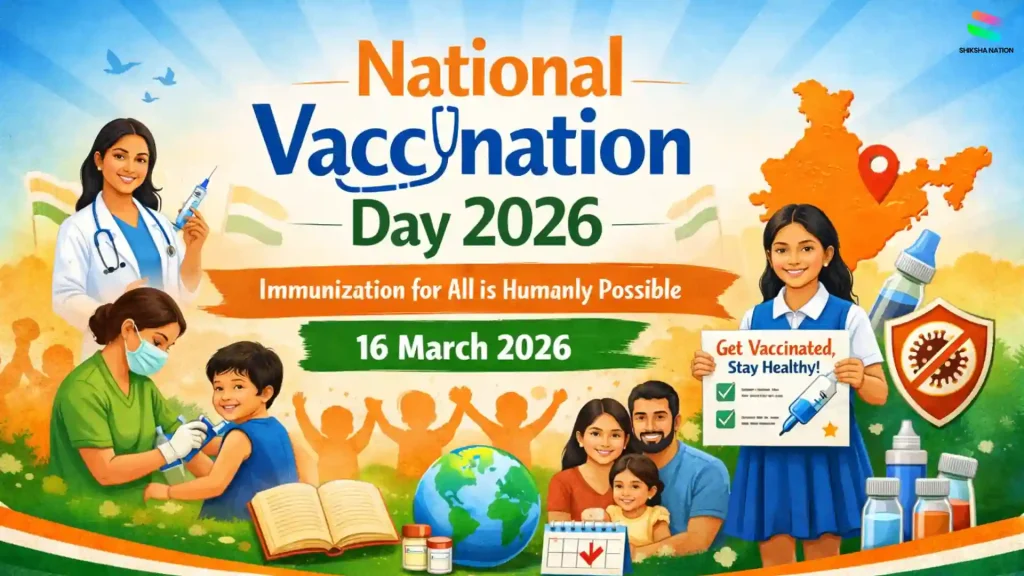
The national vaccination day 2026 date in India is 16 March 2026. This day is observed every year across the country to highlight the importance of vaccination and disease prevention.
National vaccination day in India is closely connected with the country’s efforts to strengthen immunization programs. Health departments, schools, and community groups often organize awareness activities to help people understand why vaccines are important for children and families.
The day also supports wider government vaccination initiatives that aim to improve community health. For students and parents, it is a good opportunity to learn how vaccination programs help protect people from preventable diseases and contribute to a healthier society.
What is National Vaccination Day?
Meaning of National Vaccination Day
National Vaccination Day is an awareness day observed to highlight the role of vaccines in protecting people from dangerous diseases. It reminds citizens about the benefits of timely vaccination and the need for strong health practices in society.
In India, vaccination day in India encourages families to understand how immunization helps keep children and adults safe. Schools, health workers, and community organizations often use this day to spread immunization awareness and educate people about preventive healthcare.
Purpose of Vaccination Awareness
The main purpose of this day is to explain the importance of vaccination in building a healthier community. Vaccines help the body develop protection against certain infections before a person is exposed to them.
Through proper immunization programs, governments aim to support disease prevention through vaccines and reduce the spread of serious illnesses. For students and parents, understanding these efforts helps them realize how vaccination contributes to safer schools, families, and communities.
History of National Vaccination Day in India
Beginning of the Vaccination Awareness Campaign
National Vaccination Day in India started in 1995, when the government launched a nationwide effort to protect children from polio. On this day, the first large-scale vaccination drive using the oral polio vaccine was conducted across the country.
This initiative later became an important part of national immunization day in india, where millions of children received vaccines through organized health campaigns. The goal was to prevent the spread of polio and improve child health.
Role of Pulse Polio Programme
The campaign was strongly connected with the pulse polio campaign, one of the largest vaccination campaigns in india. Health workers visited homes, schools, and community centers to ensure children received the polio vaccine.
These consistent efforts helped India move closer to polio eradication in india, and the country was officially declared polio-free in 2014.
Key highlights of this history include:
- 1995: Launch of the nationwide polio vaccination drive
- Organization of national immunization day activities across India
- Community participation through polio vaccination day campaigns
- Strong government support to improve public health awareness
For students and parents, this history shows how long-term vaccination programs can protect entire communities from dangerous diseases.
National Vaccination Day Theme 2026
The national vaccination day theme 2026 is “Immunization for All is Humanly Possible.”
This theme highlights the importance of making vaccines accessible to every person, regardless of where they live or their economic background. It encourages governments and communities to work together so that everyone can benefit from immunization.
Key focus areas of the 2026 theme include:
- Promoting child vaccination programs to protect young children from preventable diseases
- Increasing community health awareness about the benefits of timely immunization
- Encouraging families to participate in vaccination drives
- Supporting equal access to vaccines for all communities
For students and parents, the theme reminds us that vaccination is not only a health practice but also a shared responsibility that helps keep society safe and healthy.
Why Vaccination Awareness is Important
Protection from Infectious Diseases
One of the main reasons for spreading vaccination awareness is to protect people from serious infectious diseases. Vaccines help the body build natural defense against certain infections before a person comes in contact with them.
This process supports disease prevention through vaccines, which reduces the chances of diseases spreading in schools, homes, and communities. When more people are vaccinated, the risk of outbreaks becomes lower.
Role in Child Health
Vaccination plays an important role in protecting children during their early years. Through organized child vaccination programs, many diseases that once affected children can now be prevented.
For parents, understanding the importance of vaccination helps them ensure that their children receive vaccines at the right time. This not only protects the child but also supports healthy growth and development.
Community Protection and Public Health
Vaccination is not only about individual protection. It also helps protect the entire community. When many people receive vaccines, it becomes harder for certain diseases to spread.
This is why governments and health organizations promote public health awareness campaigns. For students and families, learning about vaccination encourages responsible health practices that benefit society as a whole.
Role of Vaccination in India’s Polio Eradication
Pulse Polio Campaign and Nationwide Efforts
India’s success in controlling polio is one of the most important examples of how vaccination programs can protect public health. The pulse polio campaign started large-scale vaccination drives to ensure that every child received the polio vaccine.
During these nationwide vaccination campaigns in india, health workers set up vaccination booths in schools, hospitals, and community areas. Special awareness programs were also conducted during polio vaccination day activities to reach families across the country.
India Becoming Polio-Free
Continuous vaccination efforts over many years helped reduce the number of polio cases in India. With strong participation from communities and health workers, the country achieved a major milestone.
In 2014, India was officially declared polio-free, marking a major success in polio eradication in india. For students and parents, this example shows how consistent vaccination efforts can help control and eliminate dangerous diseases.
Role of Vaccination in India’s Polio Eradication
Pulse Polio Campaign and Nationwide Efforts
India’s fight against polio is an important example of how organized vaccination programs can protect public health. The pulse polio campaign was launched to ensure that every child received the oral polio vaccine.
Under these large vaccination campaigns in india, health workers set up booths in schools, hospitals, railway stations, and community centers. Families were encouraged to bring young children for vaccination during special awareness days, often known as polio vaccination day.
India Becoming Polio-Free
Continuous immunization efforts over several years helped reduce the spread of the virus across the country. Millions of children were vaccinated through repeated nationwide drives.
Because of these strong public health initiatives and community participation, India achieved a major milestone. In 2014, the country was officially declared polio-free, marking a significant achievement in polio eradication in india and demonstrating the long-term impact of vaccination programs.
How Students Can Spread Vaccination Awareness
Students can play a small but meaningful role in spreading awareness about vaccines. Schools often encourage activities that help children understand the importance of protecting community health.
Some simple ways students can support community health awareness include:
- Creating awareness posters about vaccines and displaying them in school
- Taking part in school projects or presentations on immunization topics
- Participating in community awareness campaigns organized by schools
- Sharing basic information about vaccines with family members and friends
Such activities help build immunization awareness among young learners. When students understand the importance of vaccination, they can encourage responsible health habits within their families and communities.
FAQs on National Vaccination Day
Q. When is National Vaccination Day celebrated in India?
National Vaccination Day is observed in India every year on 16 March. The day highlights the role of vaccines in protecting people from preventable diseases. Schools, health organizations, and community groups often use this occasion to spread awareness about immunization. For students and parents, it is also a time to learn about how vaccination programs help maintain a healthier society.
Q. Why is National Vaccination Day observed?
National Vaccination Day is observed to promote awareness about the benefits of vaccines. It reminds people that timely vaccination can protect individuals and communities from serious infections. The day also supports public education campaigns that explain the importance of vaccination and encourage families to participate in national immunization programs.
Q. When did National Vaccination Day start in India?
National Vaccination Day in India began in 1995. It marks the launch of the country’s large-scale polio vaccination initiative, which aimed to protect children from the polio virus. Since then, the day has been recognized as an opportunity to spread knowledge about vaccines and strengthen immunization efforts across the country.
Q. What is the theme of National Vaccination Day 2026?
The theme for National Vaccination Day 2026 is “Immunization for All is Humanly Possible.” The theme highlights the goal of making vaccines available to every individual, regardless of location or background. It encourages governments, communities, and families to work together so that all children receive timely vaccination and health protection.
Q. How does vaccination help prevent diseases?
Vaccines prepare the body to fight certain infections before a person is exposed to them. This helps the immune system recognize and respond to harmful viruses or bacteria more effectively. Through disease prevention through vaccines, many serious illnesses can be controlled or reduced, helping people live healthier lives.
Q. What was the role of the Pulse Polio campaign in India?
The Pulse Polio campaign played a major role in protecting children from the polio virus. Health workers organized vaccination drives across the country so that every child could receive the oral polio vaccine. These large-scale efforts helped reduce the number of polio cases and contributed to India becoming polio-free.
Q. Is National Vaccination Day related to immunization programs?
Yes, National Vaccination Day is closely connected with national immunization efforts. The day highlights the work of health authorities and community programs that promote vaccination. It also helps people understand how immunization programs support disease prevention and improve the overall health of the population.
Conclusion
National Vaccination Day is an important reminder of how vaccines have helped protect millions of people from serious diseases. Awareness initiatives on this day encourage individuals and families to understand the benefits of immunization.
By promoting immunization awareness, schools, communities, and health organizations help people make informed health choices. These efforts strengthen public health and encourage responsible healthcare practices.
For students and parents, learning about vaccination programs also highlights the importance of vaccination in building safer communities. Awareness and participation in such initiatives contribute to a healthier future for everyone.