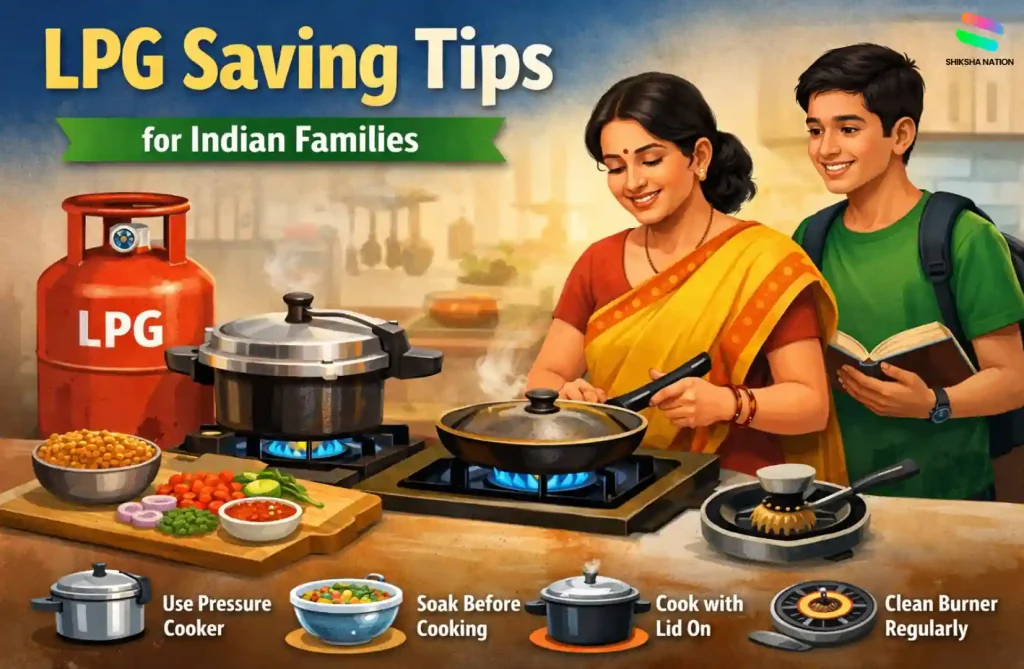
Why LPG Consumption Feels High in Many Indian Homes
In many homes, the main issue is not always the number of meals cooked. It is often the way cooking is managed through the day. Small habits, repeated daily, can make a cylinder finish earlier than expected.
For parents, this affects the monthly budget. For students living in a hostel, PG, or shared flat, it can also increase shared kitchen expenses and create confusion about where the gas is getting used so quickly.
Common reasons a gas cylinder finishes faster than expected
A cylinder may seem to finish fast when cooking time becomes longer than necessary. This usually happens because of daily kitchen patterns, not one big mistake.
Some common reasons are:
- cooking on high flame for most dishes
- keeping the gas on while chopping or mixing ingredients
- not using a pressure cooker where it can save time
- boiling pulses, rice, or potatoes without soaking them first
- using burners that are dirty or partially blocked
- reheating food many times in small quantities
In larger families, repeated tea, milk heating, and separate cooking rounds also add to total gas use. Sometimes people feel the cylinder is the problem, but the real issue is cooking routine and gas waste during the day.
Small cooking habits that quietly increase LPG use
Many homes lose gas through habits that do not look serious at first, but matter over time.
These include:
- cooking without a lid
- using a very big burner for a small utensil
- starting the flame before all ingredients are ready
- keeping the flame higher than needed
- using uneven or old utensils that do not heat properly
These habits may look small, but together they increase cooking time and waste fuel regularly.
LPG Saving Tips Indian Families Can Follow Daily
Good LPG saving is usually not about one big change. It comes from small kitchen habits that reduce waste every day without affecting taste or cooking quality.
For parents, these habits can support better monthly budgeting. For students living away from home, they are also useful daily life skills. The practical tips below are easy to follow in regular Indian kitchens and can help cooking become more efficient over time.
Use a pressure cooker to save gas
A pressure cooker is one of the simplest ways to reduce cooking time for many common Indian foods. It is especially useful for dal, rajma, chana, potatoes, rice, and some vegetables.
Why it helps:
- food cooks faster because heat stays trapped inside
- less gas is needed compared to open boiling
- it works well for daily family cooking as well as student kitchens
It is also helpful in homes where several meals are prepared every day. Parents can save both time and gas, while students in PGs or shared flats can cook basic meals more efficiently. Use the cooker properly and avoid opening it again and again during cooking.
Soak pulses, rice, and beans before cooking
Soaking reduces the time needed to cook many foods. Pulses, beans, and some rice varieties become softer after soaking, so they need less heat later.
This simple step can help because:
- cooking becomes quicker
- food softens more evenly
- gas use goes down during long boiling
For busy families, soaking at night can make morning cooking easier. Students can also soak food in advance before classes or study time. It is a small habit, but over days and weeks, it can save noticeable gas.
Cook with the lid on whenever possible
Cooking with a lid helps heat stay inside the utensil. This allows food to cook faster in many cases and reduces the need for extra gas.
It is useful for:
- boiling vegetables
- cooking dal after the first stage
- making sabzi that needs softening
- heating water or milk carefully
A covered utensil loses less heat than an open one. Just make sure steam has enough space if the dish tends to overflow. In daily home cooking, this is one of the easiest habits to follow without changing anything major.
Use low to medium flame instead of high flame
Many people think high flame always cooks faster, but that is not true for every dish. In many cases, extra flame goes around the utensil instead of helping the food cook better.
Low to medium flame is often better because:
- heat is used more efficiently
- food cooks more evenly
- there is less unnecessary gas waste
High flame may be needed at the start for some dishes, but keeping it high throughout is often not useful. For parents managing regular cooking and for students learning basic kitchen work, this is one of the most practical daily corrections.
Match utensil size with the right burner
Burner and utensil size should work together. If a small pan is placed on a large burner, some heat escapes from the sides and gets wasted.
A better match helps by:
- focusing heat where it is needed
- reducing side heat loss
- improving cooking efficiency
Use the smaller burner for tea, milk, or small portions when possible. Keep the bigger burner for larger vessels and family meals. This is a simple adjustment, but it can improve gas use in a regular kitchen.
Prepare ingredients before turning on the gas
One common reason for gas waste is starting the flame too early. If vegetables are still being cut or spices are not ready, the gas burns without helping the cooking.
A better habit is to keep these things ready first:
- chopped vegetables
- washed rice or dal
- masalas and salt
- utensils and spoons
This habit is useful in both family homes and student kitchens. It saves time, reduces confusion, and prevents gas from burning while you are still preparing the meal.
Clean gas burners regularly for better flame efficiency
A dirty burner does not always give an even flame. Food may then take longer to cook, and the gas may not be used properly.
Regular burner cleaning helps because:
- the flame becomes more even
- heat reaches the utensil better
- cooking time may reduce
If you notice yellow flame, weak flame, or uneven fire, the burner may need cleaning. Basic care can make a difference in daily cooking. Parents often overlook this during busy routines, and students may not notice it at all in shared kitchens.
Cut vegetables into smaller pieces when suitable
Smaller pieces usually cook faster than large chunks. This does not mean every dish should be finely cut, but for many sabzis and boiled dishes, smaller pieces can reduce cooking time.
This works well for:
- potatoes
- carrots
- लौकी or similar vegetables
- mixed sabzi
The idea is simple: when food cooks faster, less gas is used. Just cut according to the dish, so the texture and taste still stay right.
Avoid reheating small portions again and again
Repeated reheating uses more gas than many people notice. This often happens with tea, leftover sabzi, dal, or small food portions heated separately through the day.
You can reduce this by:
- reheating only when needed
- warming a slightly larger useful portion once
- planning meal timing better
In homes with children, working parents, or students studying late, this habit is common. Managing it better can reduce unnecessary gas use without affecting comfort.
Plan cooking smartly to reduce repeated gas usage
Smart planning can reduce the number of times the stove is used through the day. This does not mean changing your food routine completely. It simply means being more organized.
Helpful ideas include:
- preparing some items together
- boiling or steaming in one cooking cycle where possible
- planning tea, breakfast, or lunch timing better
- avoiding too many separate small cooking rounds
For families, this supports better kitchen management. For students, it saves both time and cooking effort. Over time, better planning can make a visible difference in how long the cylinder lasts.
How to Reduce LPG Consumption at Home Without Affecting Cooking Quality
Many families want to reduce gas use, but they do not want daily cooking to become difficult. That is a valid concern. Saving LPG should not mean undercooking food, delaying meals, or changing everything your family is used to eating.
A better approach is to improve how cooking is done. When heat is used properly, ingredients are prepared in time, and the stove is not used carelessly, gas use can come down without affecting taste or routine.
This matters for parents managing monthly expenses and for students learning to cook on their own. The aim is not to make food simpler or lower in quality. The aim is to reduce waste while keeping meals practical, familiar, and properly cooked.
What helps save gas without changing what your family eats
You do not need to stop making regular Indian meals to save LPG. In most homes, the real benefit comes from better kitchen habits, not from changing the menu.
What usually helps is:
- cooking the same food in a more planned way
- reducing extra stove time during preparation
- using heat only as much as the dish needs
- avoiding repeated cooking of the same item in small batches
This means families can continue their normal food routine while still improving gas use.
Why efficient cooking is better than extreme cost-cutting
Trying to save gas by cutting corners often creates other problems. Food may remain half-cooked, taste may suffer, or cooking may become stressful for the person in the kitchen.
A more practical idea is to focus on efficiency:
- save gas without compromising food quality
- keep cooking safe and manageable
- reduce waste instead of reducing proper cooking
- make daily kitchen work smoother
For parents, this is more sustainable in the long run. For students, it builds the right habits from the beginning.
How to Make Your LPG Cylinder Last Longer
Many people judge gas use by one question: how long did the cylinder last? This is natural, because cylinder duration affects monthly household planning. When it finishes early, families often feel the cost pressure immediately.
The good part is that cylinder life can improve through regular kitchen discipline. It is usually not about one special trick. It is more about using the stove carefully, avoiding waste, and keeping cooking routines better organised.
For parents, this means better control over monthly expenses. For students in hostels, PGs, or shared flats, it can also reduce confusion over why the gas gets over so quickly. A few steady habits can make LPG use more balanced across the month.
Daily kitchen habits that improve cylinder life
Cylinder life improves when cooking is handled with more care through the day. Small actions, done regularly, can reduce unnecessary gas use.
Useful daily habits include:
- keeping all ingredients ready before starting
- cooking in one proper round instead of many small rounds
- covering food when suitable to hold heat inside
- checking whether the flame is even and steady
- using cookware that heats properly and does not waste heat
These habits do not make cooking difficult. They simply reduce avoidable stove time. For busy homes and student kitchens, such habits can support both time-saving and better gas use.
Mistakes that make cooking gas finish faster
In many kitchens, the gas finishes fast because of repeated small mistakes that feel normal. Over time, these mistakes increase total usage.
Common problems include:
- leaving the stove on while doing other prep work
- heating tiny portions again and again
- using more flame than the dish actually needs
- ignoring weak or uneven burner performance
- making separate cooking cycles for items that could be managed together
Parents may notice this during rushed mornings and evenings. Students may face it while cooking without planning. These patterns do not look serious at first, but they can shorten cylinder life steadily.
Mistakes to Avoid If You Want to Save Cooking Gas
Many homes try to save gas by focusing only on big changes. But in daily kitchen use, gas is often wasted through small mistakes that happen again and again.
These habits are common in busy family kitchens and also in student setups where cooking is done quickly without much planning. Avoiding them can improve gas use without changing what you cook.
Keeping the flame on while chopping or preparing food
This is one of the most common reasons for gas waste. The stove stays on, but the actual cooking has not fully started.
This usually happens when:
- vegetables are still being cut
- masalas are not ready
- utensils are being searched at the last moment
A simple fix is to keep everything ready first. This saves gas and also makes cooking less rushed.
Using very high flame for every dish
High flame is not useful for every step of cooking. In many cases, it only sends extra heat outside the utensil instead of helping the food cook better.
This can lead to:
- unnecessary gas use
- uneven cooking
- food getting burnt from outside
Parents cooking daily meals and students learning basic cooking should remember that the right flame matters more than the strongest flame.
Ignoring burner cleaning and flame quality
A burner that is dirty or partly blocked may not give a proper flame. This can increase cooking time without people noticing the real reason.
Watch for signs like:
- yellow flame
- weak flame
- uneven fire around the burner
Regular cleaning helps the burner work better. It is a small maintenance step, but it supports better gas use in the long run.
Using flat or unsuitable utensils
Not every utensil uses heat well. Old, uneven, or poorly fitting vessels may take more time to cook the same food.
This becomes a problem when:
- the base does not sit properly on the flame
- the utensil is too small or too large for the burner
- heat is spreading unevenly
Using suitable utensils helps food cook more evenly and reduces avoidable gas waste.
Safe Ways to Save LPG at Home
Saving LPG should never come at the cost of safety. In many homes, people try to cut gas use quickly, but the wrong method can create a bigger problem than the extra cost of one cylinder.
The safer approach is simple: save gas through better cooking habits, proper kitchen care, and regular attention to how the stove is being used. This is important for parents managing a busy home and also for students who may be cooking on their own for the first time.
Good LPG saving is not about shortcuts. It is about using the kitchen in a careful, steady, and sensible way.
LPG-saving habits that are safe and practical
The safest gas-saving methods are the ones that improve normal cooking, not the ones that interfere with the gas setup.
Safe and practical habits include:
- checking that the flame burns properly before cooking
- keeping burners clean and dry
- using the stove only when ingredients are ready
- turning the knob off fully after use
- cooking in a planned way to avoid repeated stove use
These habits are easy to follow in daily life. They help reduce waste without creating extra risk in the kitchen.
What not to try in the name of saving gas
Some people try unsafe methods thinking they will make the cylinder last longer. These steps should be avoided completely.
Do not try things like:
- adjusting the regulator on your own without proper knowledge
- using damaged pipes, loose fittings, or faulty parts
- ignoring gas smell or unusual flame colour
- delaying repairs just to continue using the same setup
- following random kitchen hacks that do not focus on safety
For families and students, the rule should be clear: saving gas is useful, but safe cooking must always come first.
Quick Checklist for Daily LPG Saving in the Kitchen
For many families, LPG saving becomes easier when it is followed as a simple daily routine. Parents can use this as a quick kitchen reminder, and students living in PGs or shared flats can follow it as a basic cooking checklist.
Use this quick list before and during cooking:
- soak dal, beans, or rice in advance when needed
- keep vegetables, spices, and utensils ready before turning on the gas
- cook with a lid when the dish allows it
- use a pressure cooker for foods that take longer to cook
- keep the flame only as high as needed
- clean the burner regularly for proper heat
- use a utensil that matches the burner size
- avoid heating small portions again and again
- try to cook in a planned way instead of many separate rounds
These habits are simple, practical, and easy to follow every day. Over time, they can help reduce gas waste and improve kitchen efficiency.
FAQs About LPG Saving Tips
Why does my LPG cylinder finish so quickly?
An LPG cylinder often finishes quickly because of daily cooking habits, not only because of family size. Common reasons include using high flame for too long, reheating food many times, cooking without preparation, and not using tools like lids or pressure cookers where suitable.
In some homes, frequent tea making, milk heating, and separate cooking rounds also increase total gas use. If your cylinder seems to finish too early, it helps to observe kitchen routine for a few days and spot where extra flame time is being wasted.
Does high flame cook food faster?
Not always. High flame may be useful at the beginning of some dishes, but keeping it high throughout cooking does not always save time. In many cases, the extra heat moves around the utensil instead of helping the food cook properly. This can lead to gas waste and uneven cooking. For many daily dishes, low to medium flame is enough once the cooking process has started well.
Does cleaning the burner really help save gas?
Yes, it can help. A clean burner usually gives a more even and steady flame, which supports better heat use. If the burner is dirty or partly blocked, food may take longer to cook. You may also notice yellow flame or weak fire in such cases. Regular cleaning is a small maintenance habit, but it can improve cooking efficiency over time.
Is a pressure cooker better for saving LPG?
Yes, in many cases it is. A pressure cooker reduces cooking time for foods that usually take longer, such as dal, beans, potatoes, and rice. Because heat stays trapped inside, the food cooks faster with less gas. For families who cook every day and for students living away from home, a pressure cooker is one of the most practical ways to reduce unnecessary LPG use.
What is the easiest way to reduce LPG use daily?
The easiest way is to stop wasting flame time. Keep all ingredients ready before turning on the gas, use a lid where possible, and avoid reheating very small portions again and again. These are simple habits, but they can make a real difference when followed daily. Small changes usually work better than trying extreme methods.
How can I make my LPG cylinder last longer?
To make your LPG cylinder last longer, focus on better daily kitchen habits. Use a pressure cooker for foods that take more time, soak pulses and beans before cooking, and keep the flame only as high as needed. Also, try to reduce repeated cooking rounds and unnecessary reheating. Cylinder life usually improves when gas is used more carefully through the day.
Is cooking with a lid really useful for saving gas?
Yes, for many dishes it is useful. A lid helps trap heat inside the utensil, so food often cooks faster and with less fuel. This is especially helpful while boiling, simmering, or softening ingredients. It is a simple habit that does not change the food much, but it can support better gas use in everyday cooking.
Which foods should be soaked before cooking to save LPG?
Foods like rajma, chana, whole dals, and some rice varieties benefit from soaking. Soaking softens them before cooking, so they need less time on the stove later. This is especially useful in Indian homes where such foods are cooked regularly. Planning this in advance can save both time and gas.
Can repeated reheating increase LPG consumption?
Yes, repeated reheating can slowly increase total gas use. This often happens when tea, dal, sabzi, or leftovers are heated in very small amounts multiple times a day. A more practical approach is to reheat only what is needed and avoid turning on the stove for very short heating again and again. This helps reduce waste without changing meal quality.
Are LPG saving tips useful for students living in PGs or hostels?
Yes, very much. Students living away from home often share kitchens, buy groceries carefully, and manage limited monthly budgets. In such cases, smart cooking habits can help save both gas and time. Simple steps like preparing ingredients first, using the right flame, and cooking in one proper round can make daily cooking more efficient.