

Introduction
Imagine preparing for your social studies exam and coming across a question: “Which city was once the capital of Andhra Pradesh?” Many students pause here, unsure of the answer. That city is Kurnool a place steeped in history, culture, and academic importance that every student in India should know about.
Located in the heart of Andhra Pradesh’s Rayalaseema region, Kurnool isn’t just another city on the map. It’s a living classroom of history, geography, and culture. Whether you’re studying state capitals, preparing for competitive exams, or simply curious about India’s diverse cities, understanding Kurnool gives you valuable knowledge that connects textbooks to real life.
This guide explores everything about Kurnool from its historical significance to its educational landscape helping students, parents, and educators appreciate why this city matters in India’s academic and cultural narrative.
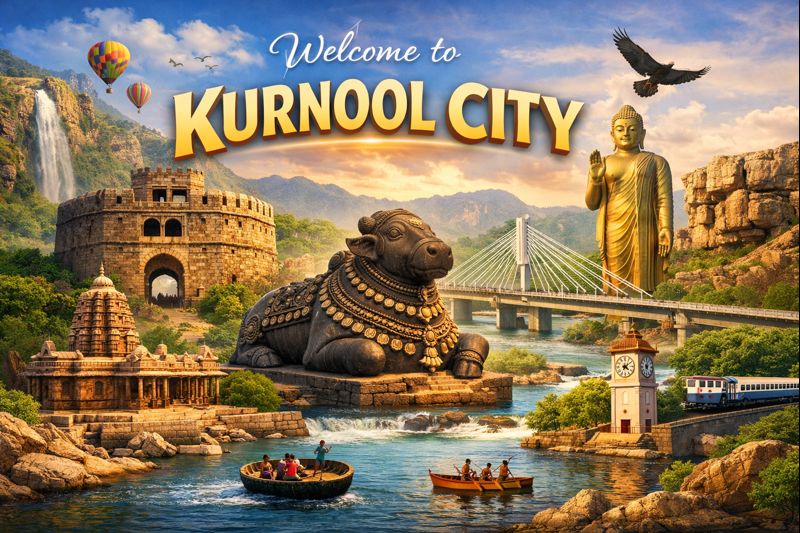
What is Kurnool? A Quick Overview
Kurnool is a major city in the state of Andhra Pradesh, India. It serves as the headquarters of Kurnool district and is the fifth-largest city in the state.
Main Identity Points:
- Official Status: Municipal corporation and district headquarters
- Classification: City (not just a town)
- Region: Rayalaseema
- State: Andhra Pradesh
- River: Situated on the banks of the Tungabhadra River
Kurnool holds a special place in India’s administrative history as the first capital of Andhra Pradesh from 1953 to 1956. This historical fact frequently appears in state-level exams and general knowledge tests.
Historical Significance of Kurnool
Former Capital Status
When Andhra State was formed on October 1, 1953, Kurnool became its capital city. This makes it an important answer in history and civics examinations.
Students often encounter questions like:
- Name the first capital of Andhra Pradesh
- Which city served as Andhra’s capital before Hyderabad?
The answer to both is Kurnool.
Ancient Heritage
The region around Kurnool has evidence of prehistoric human settlements. The Kurnool Caves contain some of the earliest traces of human life in South India, dating back thousands of years.
Why this matters for students: Understanding Kurnool’s ancient past helps in archaeology, anthropology, and Indian history studies. It connects classroom learning about prehistoric India to real locations.
Geographical Location and Importance
Kurnool occupies a strategic position in Andhra Pradesh’s Rayalaseema region.
Location Details:
- Coordinates: Northwestern part of Andhra Pradesh
- Major River: Tungabhadra (a tributary of Krishna River)
- Terrain: Semi-arid with rocky landscape
- Climate: Hot and dry, typical of Deccan Plateau
Nearby Cities:
- Anantapur: 200 km (southwest)
- Vijayawada: 210 km (east)
- Hyderabad: 215 km (northwest, in Telangana)
- Ballari: 100 km (west, in Karnataka)
Understanding these geographical connections helps students with map-based questions in geography exams and builds spatial awareness of South Indian states.
Language and Culture
Primary Language: Telugu
Kurnool is predominantly a Telugu-speaking city. In fact, the Rayalaseema region, including Kurnool, is known for speaking a distinct dialect of Telugu.
Important for language students: The Telugu spoken in Kurnool has unique pronunciation and vocabulary that differs slightly from coastal Andhra or Telangana dialects.
Which State Speaks Pure Telugu?
While many debate about “pure” Telugu, Andhra Pradesh is widely recognized as the birthplace and cultural home of the Telugu language. Within Andhra Pradesh:
- Coastal regions speak one dialect
- Rayalaseema (including Kurnool) speaks another
- Each has its own cultural richness
Cultural Elements:
- Traditional festivals like Ugadi, Sankranti
- Classical dance forms
- Handloom and handicraft traditions
- Distinctive cuisine featuring spicy curries and jowar roti
Educational Institutions in Kurnool
Kurnool has emerged as an important educational hub in Rayalaseema, offering quality education from primary to postgraduate levels.
Notable Institutions:
Engineering Colleges:
- Gokaraju Rangaraju Institute of Engineering and Technology
- Vignana Bharathi Institute of Technology
- Several other AICTE-approved colleges
Medical Education:
- Kurnool Medical College (one of the oldest in the region)
- Nursing colleges and paramedical institutes
General Education:
- Rayalaseema University
- Government degree colleges
- Numerous schools affiliated with state and CBSE boards
Why this matters: Students considering higher education in Andhra Pradesh should know about Kurnool’s academic offerings, especially in medicine and engineering.
Famous Personalities from Kurnool
Understanding notable figures from Kurnool adds context to history and current affairs studies.
Historical Figures:
- Pattabhi Sitaramayya: Freedom fighter and Congress leader
- Political leaders who shaped Andhra Pradesh’s formation
Contemporary Personalities:
- Sports personalities
- Film industry contributors
- Administrative officers who brought recognition to the city
Knowing these personalities helps students connect local history with national movements, especially important for civics and political science subjects.
Tourist Attractions Students Should Know
For geography projects and general awareness, knowing Kurnool’s landmarks is valuable.
Main Attractions:
1. Belum Caves
- Second-largest natural cave system in India
- Geological significance for science students
- Stalactite and stalagmite formations
2. Oravakallu Rock Garden
- Natural rock formations
- Excellent for geology and environmental studies
3. Kurnool Fort
- Historical monument
- Relates to medieval South Indian history
4. Ahobilam
- Temple town nearby
- Cultural and religious significance
5. Mahanandi
- Natural springs
- Water conservation case study
Kurnool’s Role in Rayalaseema
What is Rayalaseema?
Rayalaseema is a geographic and cultural region in southern Andhra Pradesh comprising four districts:
- Kurnool
- Anantapur
- Chittoor
- Kadapa
Kurnool: The Largest City
Which is the biggest city in Rayalaseema?
By area and administrative importance, Kurnool is the largest city in Rayalaseema. The Kurnool district is also the largest district by area in Andhra Pradesh.
Important Points:
- Area: Kurnool district covers about 17,658 sq km
- Population: Significant urban population
- Economic Hub: Agricultural trade, cement industry, textiles
This information frequently appears in state-level competitive exams and geography assessments.
Why Kurnool Matters for Students
Academic Relevance:
1. History Exams
- Questions about Andhra Pradesh’s first capital
- State formation and reorganization topics
2. Geography Studies
- River systems (Tungabhadra)
- Rayalaseema region characteristics
- District and state mapping
3. General Knowledge
- Current affairs about Andhra Pradesh
- Cultural diversity of South India
4. Project Work
- Case studies on historical cities
- Urban development research
- Regional language studies
Common Mistakes Students Make
Mistake 1: Confusing Capital Cities
- Wrong: Hyderabad was always Andhra Pradesh’s capital
- Correct: Kurnool was the first capital (1953-1956), then Hyderabad became the capital
Mistake 2: Classification Error
- Wrong: Calling Kurnool a small town
- Correct: Kurnool is a major city and municipal corporation
Mistake 3: Regional Confusion
- Wrong: Placing Kurnool in coastal Andhra
- Correct: Kurnool is in Rayalaseema (inland region)
Mistake 4: Language Assumption
- Wrong: Assuming Hindi is widely spoken
- Correct: Telugu is the primary language; English is used in education
Quick Facts to Remember
Memory Tricks for Exams:
| Aspect | Detail | Memory Tip |
|---|---|---|
| First Capital | Of Andhra State (1953) | “K before H” – Kurnool before Hyderabad |
| Region | Rayalaseema | “Four R’s” – Rayalaseema has 4 districts |
| River | Tungabhadra | “T for Tungabhadra in Kurnool” |
| Largest | Biggest district in AP | “Big K” – Kurnool is big |
| Language | Telugu | “Rayalaseema dialect” is distinctive |
Best Time to Visit Kurnool:
For educational tours or field trips, the best time is October to February when temperatures are moderate (15°C to 30°C). Summer months (March-June) can be extremely hot, reaching 45°C.
FAQs About Kurnool City
Why is Kurnool famous?
Kurnool is famous for being the first capital of Andhra Pradesh (1953-1956), its historical significance, Belum Caves (India’s second-longest cave system), and its role as Rayalaseema’s largest city. It’s also known for cement industries and agricultural trade.
Is Kurnool a city or town?
Kurnool is officially a city, not a town. It has municipal corporation status, serves as a district headquarters, and has a significant urban population with developed infrastructure, educational institutions, and commercial establishments.
Which language is spoken in Kurnool?
Telugu is the primary language spoken in Kurnool. The city uses the Rayalaseema dialect of Telugu, which has distinct pronunciation and vocabulary. English is used in educational institutions, while Urdu and Hindi are spoken by minorities.
Which city is near to Kurnool?
The nearest major cities to Kurnool include Ballari (100 km west, Karnataka), Hyderabad (215 km northwest, Telangana), Vijayawada (210 km east), and Anantapur (200 km southwest). These distances make Kurnool strategically important in South India.
Who is the famous person in Kurnool?
Pattabhi Sitaramayya, a prominent freedom fighter and Congress leader, is among Kurnool’s most famous personalities. The city has also produced notable administrators, politicians, and cultural figures who contributed to Andhra Pradesh’s development.
Which is the biggest city in Rayalaseema?
Kurnool is the biggest city in Rayalaseema by area and administrative importance. Kurnool district is also the largest district in Andhra Pradesh, covering approximately 17,658 square kilometers with significant urban and rural populations.
Which state speaks pure Telugu?
Andhra Pradesh is considered the homeland of Telugu language and culture. While “pure” Telugu is subjective, the language originated and developed in this region. Both Andhra Pradesh and Telangana are Telugu-speaking states with different dialects.
What is the best time to visit Kurnool?
The best time to visit Kurnool for tourism or educational trips is October to February (winter months) when temperatures range from 15°C to 30°C. This period offers pleasant weather for exploring historical sites, caves, and cultural landmarks.
Conclusion
Kurnool is more than just a city in Andhra Pradesh it’s a chapter in India’s administrative history, a center of regional culture, and an important location for students to understand South Indian geography and heritage.
From serving as Andhra’s first capital to hosting impressive natural wonders like Belum Caves, Kurnool offers rich learning opportunities. Whether you’re preparing for social studies exams, working on geography projects, or simply expanding your knowledge of India, understanding Kurnool gives you valuable academic and cultural insights.
Remember these key takeaways: Kurnool was Andhra’s first capital, it’s the largest city in Rayalaseema, Telugu is its primary language, and it holds significant historical and geological importance.