

Why Do We All Remember Einstein the Same Way?
Think back to your school textbook or classroom wall. Chances are, you saw the same picture again and again an old man with wild hair, deep eyes, and a thoughtful expression. That image belongs to Albert Einstein.
But have you ever wondered why those particular Albert Einstein pics are everywhere? Why do teachers, exams, and even motivational posters use the same photos? These images are not just pictures. They quietly shape how students understand genius, science, and curiosity.
This blog helps students, parents, and educators explore Albert Einstein pics, their stories, and why they matter in learning.

What Are Albert Einstein Pics?
Albert Einstein pics are photographs taken at different stages of Einstein’s life—from his early academic years to his later fame as a global scientist.
In simple words:
- They show Einstein the student, teacher, and thinker
- They help us visualize history
- They connect abstract science with a real human face
For students, images make learning more relatable than plain text.
Why Albert Einstein Photos Matter in Education
In classrooms, visuals play a powerful role.
Why teachers use Einstein pics:
- To introduce physics and relativity
- To humanize complex scientists
- To inspire curiosity and questioning
Real classroom example:
A physics teacher introduces relativity. Before formulas, they show Einstein’s photo and ask:
“Does this man look like a genius—or just curious?”
That single image sparks discussion, confidence, and interest.
Most Famous Albert Einstein Pictures (With Meaning)
1. Einstein with Wild Hair (Older Age)
- Most used in textbooks
- Symbol of creativity and deep thinking
- Often linked with genius and imagination
2. Einstein Writing on a Blackboard
- Represents teaching and learning
- Common in coaching centers and exam books
- Shows science as a process, not magic
3. Einstein Smiling Gently
- Shows warmth and kindness
- Helps students see scientists as human
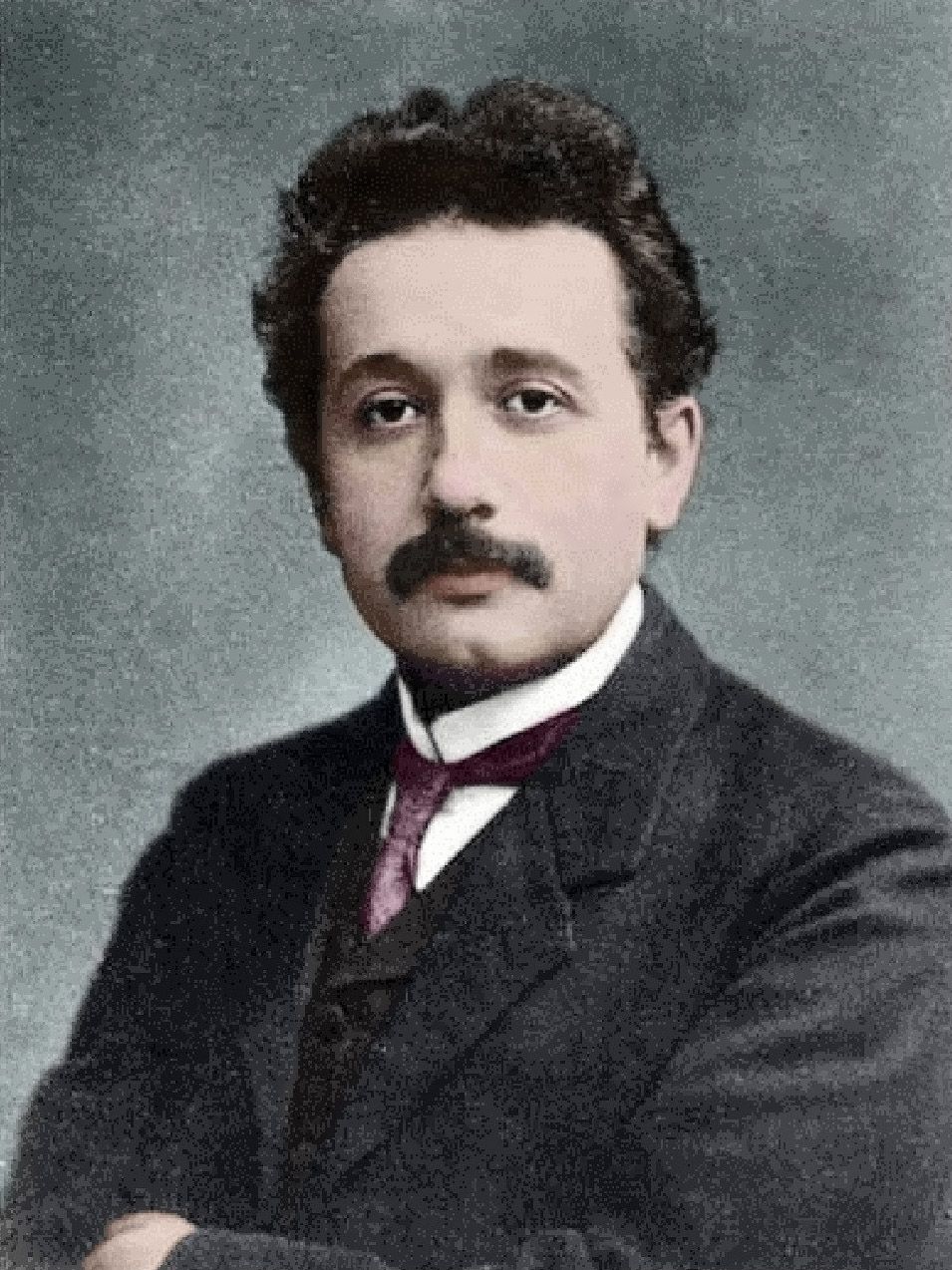
| Photo Type | What It Represents | Used In |
| Wild hair portrait | Genius & creativity | Textbooks |
| Blackboard photo | Teaching & logic | Classrooms |
| Smiling portrait | Human side of science | Motivation posters |
Rare and Lesser-Known Albert Einstein Photos
Not all Einstein pics are famous.
Rare photos include:
- Einstein as a young patent clerk
- Casual family moments
- Relaxed outdoor photographs
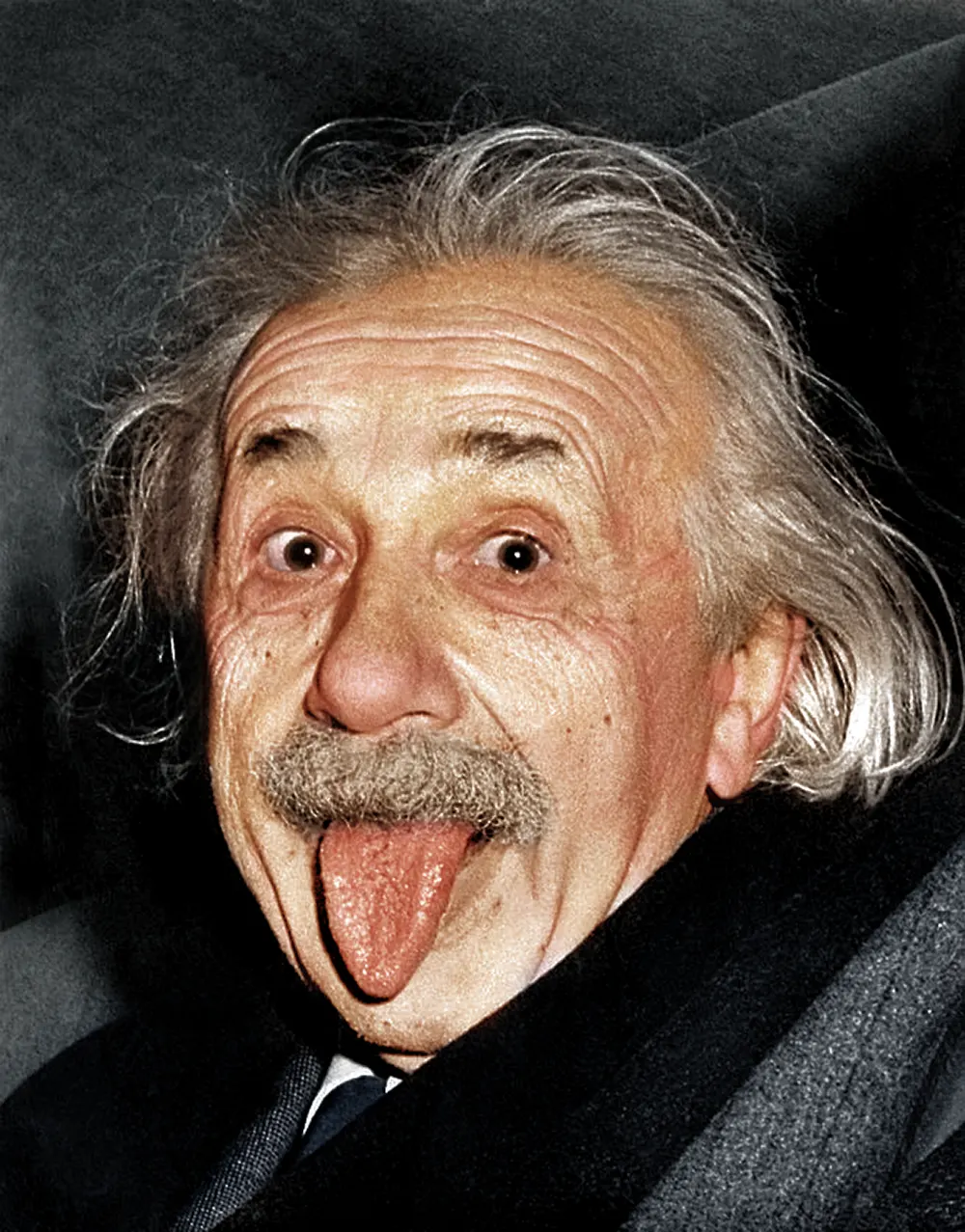
These photos remind students that:
- Einstein was once an ordinary learner
- Great minds also struggle and grow
This helps reduce exam fear and comparison anxiety among students.
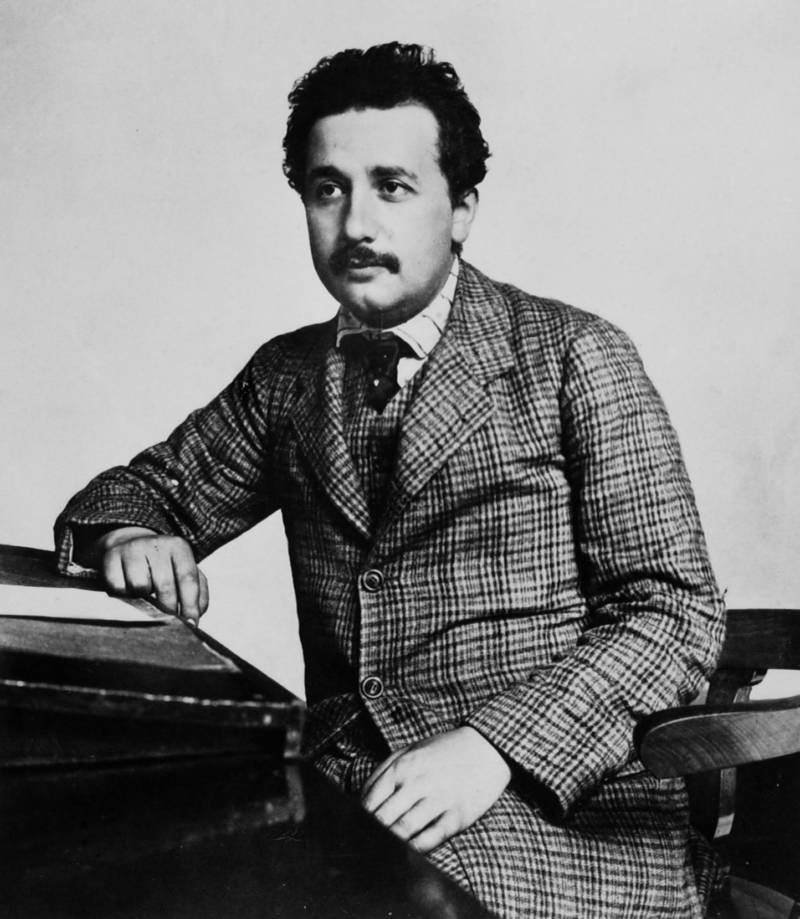
The Story Behind the Tongue-Out Einstein Photo
One of the most searched Albert Einstein pics is the tongue-out photo.
What really happened?
- Taken on Einstein’s 72nd birthday
- He was tired of posing formally
- He playfully stuck out his tongue
Why it matters in learning:
- Shows confidence and individuality
- Teaches students it’s okay to be different
- Often used in creativity and innovation lessons
This single photo changed Einstein’s public image forever.
What Albert Einstein Looked Like at Different Ages
Many students think Einstein always looked old.
Reality:
- As a student: neatly dressed, sharp-looking
- As a professor: calm, composed
- Later years: iconic wild hair and relaxed style
Learning insight:
Genius is not about appearance. It’s about curiosity, persistence, and thinking differently a key lesson for exams and life.
Common Mistakes Students Make About Einstein Photos
Mistake 1: Thinking photos show intelligence
Photos show personality, not IQ.
Mistake 2: Believing all Einstein images are real
Some images are:
- Colorized
- Edited
- Symbolic (used in ads or tests)
Mistake 3: Linking messy looks with genius
Hard work matters more than appearance.
Teachers often clarify this during exam motivation sessions.
Easy Tips to Remember Iconic Einstein Images
Memory tricks for students:
- Young Einstein = learner
- Blackboard Einstein = teacher
- Tongue-out Einstein = creative rebel
- Old Einstein = wisdom
Using images as memory anchors helps in:
- Exams
- Presentations
- Olympiads
- Competitive tests
Learning Beyond the Picture
Albert Einstein pics are more than historical photographs. They are learning tools. They remind students that behind every formula is a curious human being who once asked simple questions.
For students, these images reduce fear of science.
For parents, they show learning is a journey.
For educators, they inspire meaningful teaching moments.
Remember genius starts with curiosity, not perfection. And sometimes, a single picture can inspire a lifetime of learning.
FAQs on Albert Einstein Pics
Q. Why are Albert Einstein pics so popular in textbooks?
Einstein photos represent curiosity, intelligence, and scientific thinking. Textbooks use them to humanize science and make complex topics like relativity more relatable for students.
Q. Is the tongue-out Einstein photo real?
Yes. It was taken by a photographer on his birthday. Einstein’s playful gesture showed his fun personality and later became a global symbol of creativity.
Q. Are all Albert Einstein pics black and white?
Most original photos are black and white due to the time period. Some modern versions are colorized, but they are artistic interpretations, not originals.
Q. What did Albert Einstein look like as a student?
As a young man, Einstein looked neat and serious. His famous wild hair appeared later in life, after years of academic work.
Q. Why do exams and IQ tests use Einstein’s image?
Einstein represents intelligence globally. His image is often used symbolically to suggest thinking, problem-solving, and high-level reasoning.
Q. Are there rare Albert Einstein photos?
Yes. Some rare photos show Einstein with family, traveling, or relaxing. These images are often found in museums and archives.
Q. Do Albert Einstein pics help in learning?
Yes. Visual memory improves understanding. Seeing Einstein helps students connect lessons with real history and reduces fear of difficult subjects.
Q. Can students use Einstein images for projects?
Absolutely. Using Einstein pics in school projects, presentations, or charts makes learning more engaging and visually effective.